
Date Posted: 2021-04-09
Types of Driveways: Materials
Aggregate Driveways
Gravel or aggregate is one of the most durable and cheapest materials for your driveway construction. It is easy to install and requires no great skill. Nonetheless, it is very durable, only requiring periodic filling and spreading to reduce bumps and rutting once it has settled.
Paving Stone Driveway
Paving stones are beautiful but also one of the most expensive components to use in your driveway construction project. The great thing about paving stones is that they often blend in well with landscape elements such as fountains and walkways. In addition to having high aesthetic appeal, paving stones are highly durable and can last for many years.
Asphalt Driveway
Asphalt is a highly functional and top quality material for driveway construction. The good thing about it is that it is cheaper than concrete or paving stones, which are its biggest competitors. The only downside to asphalt is it requires professional installation.
Concrete Driveway
At a glance, asphalt and concrete seem to have similar properties even though a concrete driveway tends to last longer. Your concrete driveway will last between 50 to 100% longer than its asphalt counterpart.
Reinforced Grass Paving Driveway
New reinforcement technology makes use of plastic or concrete geogrid structure for the reinforcement of grass-based surfaces. The honeycomb structures provide enough reinforcement to carry the weight of people and cars and still allows grass to grow even in high traffic sections.
Resin Bound Products Driveway
These provide an even sleek surface that comes in many colours. You can also get them in impermeable and permeable solutions depending on the drainage capacity of the subgrade. While it is relatively expensive, it is very low maintenance as all you need is the occasional water jet wash to maintain the surface.
What is the cheapest surface for a driveway?
The cheapest surface is gravel otherwise known as aggregate. It is cheap and easy to install and maintain as compared to concrete driveways, asphalt or paving stones. A basic gravel installation can cost as little as $1.80 per square foot which is very cheap as compared to the other options. Moreover, aggregate can be easy to DIY as compared to asphalt, pavers or concrete driveways which typically have to be installed by a professional contractor.
What is the best material to make a driveway?
There are several factors you must take into account before choosing the type of driveway to install on your property. These include:
Aesthetics
If you need a home with curb appeal, then your driveway construction needs to take account of things such as:
-
Prevailing type in the neighborhood - Fancier neighborhoods tend to use paving stones, others prefer either an asphalt or concrete driveway, while some neighborhoods tend to use gravel especially in rural areas.
-
Proper Fit for the Property - Interlock or concrete tend to provide an upscale and cohesive front, which is best for curb appeal.
-
Personal Taste - What do you prefer and do you have the money to pay for it.
Budget
The budget is important for any home improvement projects. The resurfacing and installations costs will vary depending on elements that include:
-
Driveway dimensions
-
Material used
-
Existing base material quality
-
Need for drainage
-
Need for a professional contractor
-
Adjacent landscaping if any
-
Design elements such as lighting and curbs
Shape and Dimensions
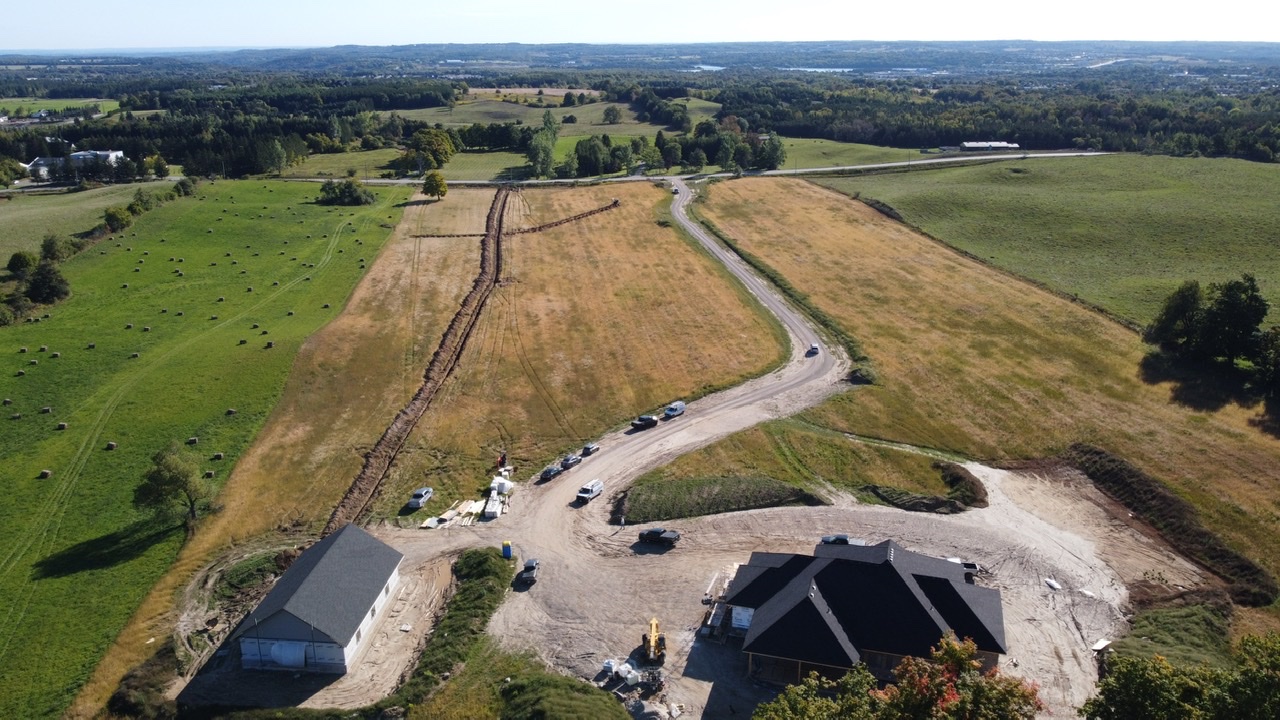
If it is a new driveway construction, you must plan the dimensions and shape. Proper urban driveways are usually uncomplicated square or rectangular pads. Rural and suburban properties allow for more unorthodox shapes but you have to plan for outdoor parking areas, and turnaround angles.
Local Regulations
The local authorities typically regulate property improvement and hence you must get the necessary permits before embarking on construction. If you live in an area with a home association, be sure to also seek approval since some associations impose restrictions on certain materials and even colour to ensure uniformity.
DIY Potential
There are some installations such as aggregate that are easy to do on a DIY base even for complete novices. However, some such as a paving stone, asphalt and concrete driveway are more complicated and will require a contractor. Your financial and temporal reserves will determine if you decide to go DIY right from the start or whether you are going to get a professional contractor.
Maintenance
How much effort, money and time are you willing to invest in the maintenance of your driveway. Climate and geography may determine how often and how expensive the maintenance will be. For instance, a concrete driveway is relatively easy and cheap to maintain as compared to asphalt driveways which can crack and require periodic sealing.
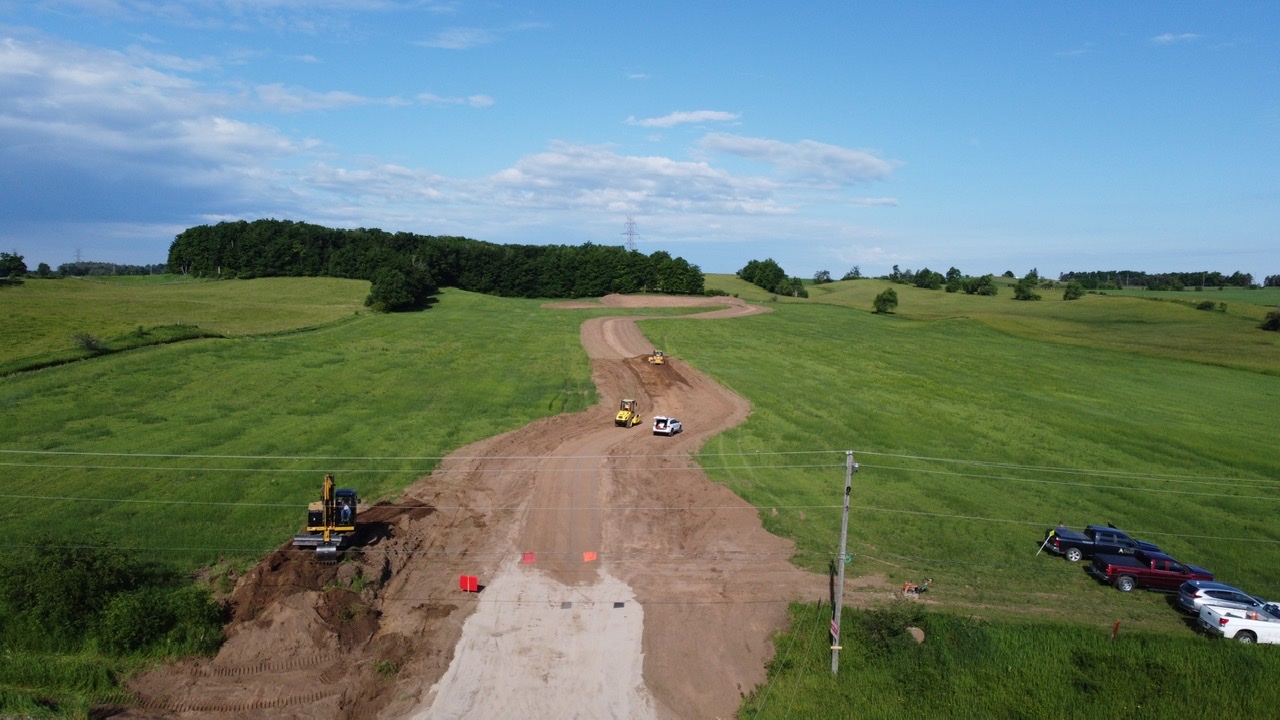
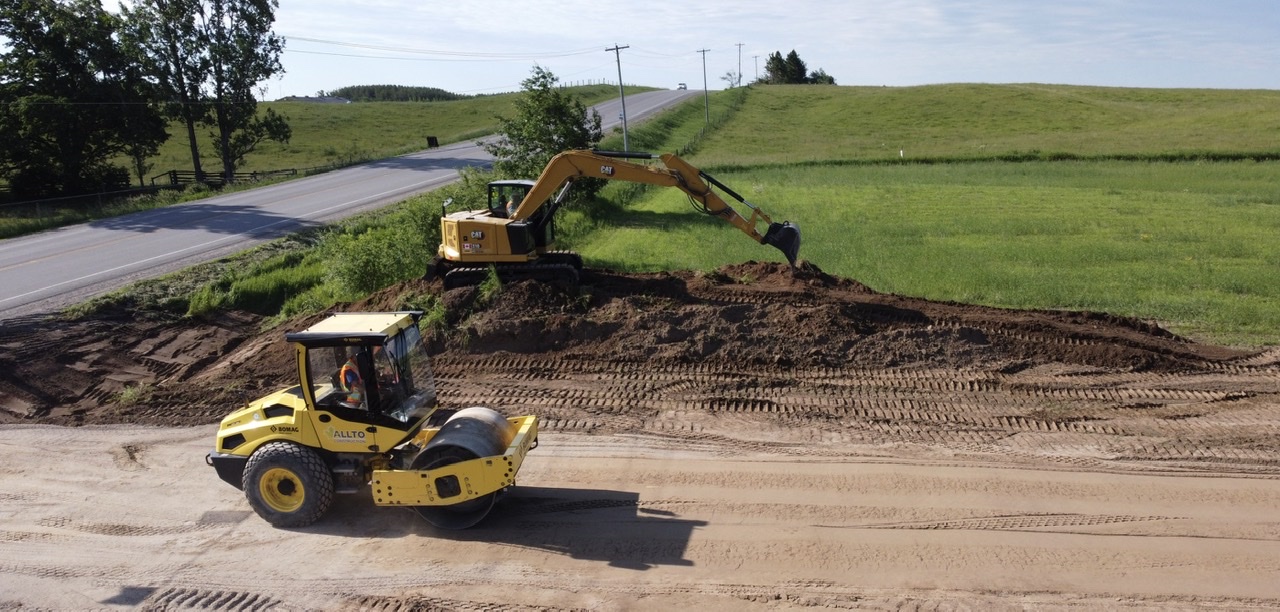
Driveway Excavation: How deep should the base be for a driveway?
Most residential areas have top soil with heavy concentrations of decomposed organic matter that has to be removed to help prevent problems down the road.
The typical depth of the excavation may vary from 150-450mm in depth depending on the surface soil in the area. For soft soils, the contractor will remove the topsoil and replace it with crushed rock or aggregate.
Some common problems with improper excavation include poor drainage and shrinkage cracks due to the soil settling and water pooling.
The general rule to take into account before beginning construction is that your driveway must be at least six inches deeper than the thickness of your construction material. As such, if you will be paving with two and half inch thickness in concrete, the proper depth of the hole is eight and a half inches.
Any driveway where cars will be parked needs an excavation of at least 12 inches into the soil to provide space for the base material.
Driveway Dimensions: How wide should you plan your driveway to be?
The proper driveway width needs to be decided according to the needs of the owner of the property and future use. Some of the things to take into account during construction include:
-
The size of the vehicles
-
The number of cars that will be parked on the driveway
-
The landscape around the driveway
-
Other uses of the driveway aside from parking
There is a need to leave enough room to allow for comfortable maneuvering and parking and also ensure that the pavement, as well as any lawn or yard bordering the driveway, is not damaged.
Single Car Driveway Width
The recommended standard width of a residential driveway construction is between 10 feet and 12 feet. If you have larger vehicles such as a camper, large pickup truck, RV or work van, the proper minimum width is 12 feet.
Leaving 10 feet on the sides means you will not park and drive on the edges which can cause cracking of your asphalt and concrete driveway.
Double Driveway Width
The recommended width of a double car driveway is between 20 and 24 feet. This will ensure that there is enough space for the drivers to open their doors without touching landscaping features or the other car even if parked side by side.
Circular Driveway Driveway Width
The circular driveway is unique and requires a special design for it to work. If your property will have a horseshoe or circular driveway then the recommended design needs to be at least 12 feet wide.
Driveway Slope Guidelines & Codes
The South Central Ontario building code and guidelines recommend that:
-
Driveways should have a maximum slope of 8% and a minimum of 2% per foot to ensure proper drainage.
-
It is not permitted to use residential driveways as the outlet for swales. At the point where the driveway meets a garage floor slab or sidewalk there should be an isolation joint installed.
-
Your driveway installation should not cross the lot line at the edge of the pavement or at the curb.
-
Roof water should not discharge directly onto the driveway.
How much does it cost to grade a driveway Project?
Grading is done in the design of residential driveways to control water runoff and help prevent the erosion of soil which can damage the driveway.
Typical costs in Ontario may vary depending on the project budget, and the type of equipment used.
-
Grading a residential driveway using a track loader or scraper attachment may cost between $850 and $1350 a day. A small backhoe will set you back $900 -$1200 a day depending on the location.
-
Hiring a track loader or bulldozer and operator could set you back between $85 and $135 an hour
How much does it cost to dig a driveway?
Adding in labour to the materials you will have to pay an average of $3.00 per square foot. As such, the average 640 square foot project will set you back an average of $1920 though it will vary depending on finish options, conditions, job size and location.
Driveway construction costs by type
The average cost ranges from $2500 and $10,000 depending on the materials used. The higher costs are usually related to the costs of installation including materials and labour and do not necessarily correlate to the long-term durability of the installation.
|
Type |
Average Costs |
Durability |
|
Concrete Driveway |
$8000+ |
Cracks in freezing temps |
|
Asphalt Driveway |
$5500+ |
Softens in heat |
|
Resin Products |
$9000+ |
Damaged by snow plows |
|
Gravel |
$2500+ |
Moves in snow and rain |
|
Pavers |
$8500+ |
Can shift or crack |
Blog Images
SINCE 1969.